Friday, January 07, 2011

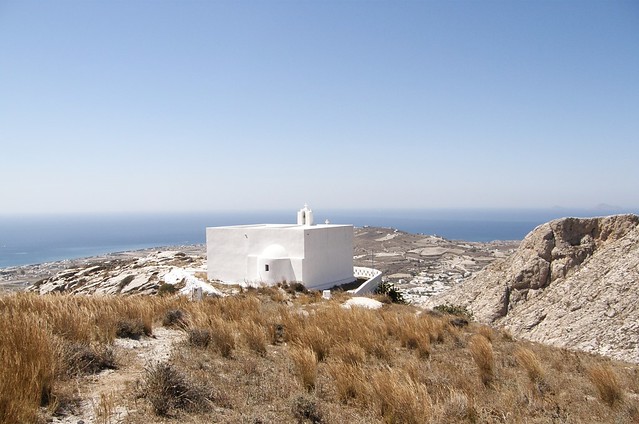
Το Κοιμητηριακό παρεκκλήσι του Αγίου Λαζάρου | St. Lazarus Cemetery Chapel


St. Lazarus Chapel
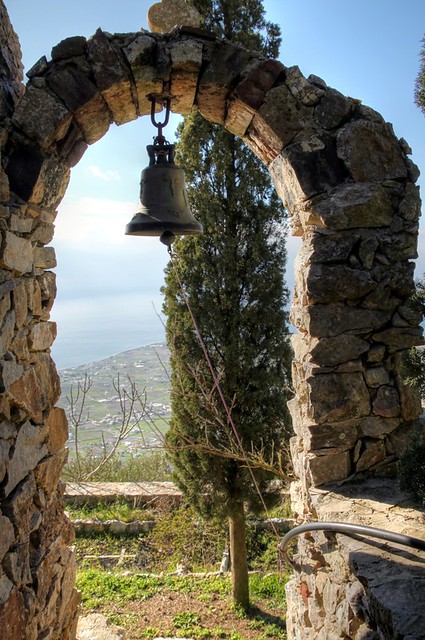
Πριν από αρκετό καιρό είχα ακούσει από κάποιον ότι στην Ιερά Μονή του Προφήτη Ηλία της Σαντορίνης υπάρχουν κατακόμβες... Παρόλα αυτά, κανένας από τους Σαντορινιούς που ξέρω δεν μπορούσε να μου το επιβεβαιώσει... Μια μέρα, όμως, βρέθηκα να διαβάζω, στο επίσημο ιστολόγιο της Μονής, μια ανάρτηση, η οποία αφορούσε τα παρεκκλήσια της Μονής... Εκεί, λοιπόν, διάβασα και είδα φωτογραφίες από το Κοιμητηριακό παρεκκλήσι του Αγίου Λαζάρου... Συνειδητοποίησα, τότε, ότι είναι πολύ πιθανόν σε αυτό να αναφέρονται όσοι μιλάνε για "κατακόμβες" στην Μονή.
St. Lazarus Cemetery Chapel
Όπως διάβασα, το παρεκκλησι του Αγίου Λαζάρου είναι ο νέος κοιμητηριακός ναός της Μονής. "Τό κοιμητήριο μεταφέρθηκε στή σημερινή του θέση τό 2000, ὅπου οἰκοδομήθηκε καί τό παρεκκλήσιο τοῦ ῾Αγίου Λαζάρου. Πρόκειται γιά μονόχωρο θολωτό ναό. Τά θωράκια εἶναι ἀπό ἀρχαία μάρμαρα. ᾿Εντός τοῦ παρεκκλησίου τοποθετήθηκαν τά ὀστά τῶν πατέρων τῆς Μονῆς".

Επισκέφτηκα την Ιερά Μονή την ημέρα των Θεοφανίων, και θέλω να ευχαριστήσω, για την φιλοξενία του, τον Καθηγούμενο της Ιεράς Μονής, Πανοσιολογιότατο αρχιμανδρίτη π. Δαμασκηνό, έργο του οποίου είναι ο κοιμητηριακός ναός, καθώς και τον οσιώτατο μοναχό Τιμόθεο για την ξενάγησή του. Ο τελευταίος, μου ανέφερε ότι, μέχρι την οικοδόμηση του ναού, τα οστά των μοναχών βρίσκονταν σε έναν υπόγειο χώρο της Μονής. Έτσι απέκτησα και μία δεύτερη θεωρία για τις "κατακόμβες" της Μονής. Πάντως, έτσι ή αλλιώς, με την ευρεία έννοια του όρου, "κατακόμβη" μπορεί να θεωρηθεί οποιοσδήποτε θάλαμος στον οποίο φυλάσσονται ανθρώπινα λείψανα (cata tumbas - "κατά τους τάφους").
St. Lazarus Chapel
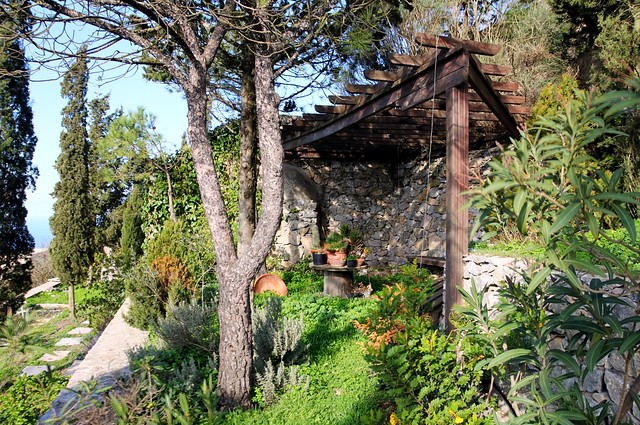
Αν και κάποιος πιθανώς να τρομάξει από τον εσωτερικό χώρο του ναού, δεν μπορεί παρά να γαληνέψει αν καθήσει να ξαποστάσει στο πίσω μέρος του...
St. Lazarus Chapel
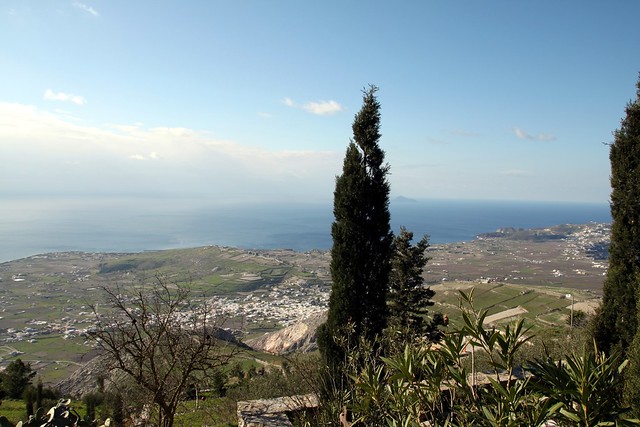
...και αγναντέψει την εκπληκτική θέα.


[ENG] Some time ago, someone told me that under the Holy Orthodox Monastery of Prophet Elias in Santorini there are catacombs... However, none of the locals I know could confirm that... One day, I read, in the official blog of the monastery, a post about its chapels... There I read, and I saw photos of, about the Cemetery Chapel of St. Lazarus. At that moment I realized that it is possible that people who talked to me about "catacombs" had this chapel in mind. As I read, the Chapel of St. Lazarus is the new cemetery chapel of the monastery. "The cemetery was moved to its present position in 2000, when the chapel of St. Lazarus was built. It is a single-aisle vaulted church. Its turrets are from ancient marbles. Inside the chapel the relics of the monks, that died in the Monastery, were placed". I visited the monastery on the day of the Feast of Epiphany, and I want to thank for his hospitality, the abbot of the Monastery, Archimandrite Damaskinos, and brother Timotheos for the tour. The latter, said to me that till the construction of the chapel, the relics of the monks were in a chamber at the basement of the monastery. So, I got a second theory about the "catacombs" of the monastery. But, anyway, in a broad sense, the term "catacomb" can be understood as any chamber in which human relics are kept (cata tumbas - "among the tombs"). Although one might be scared from the interior of the church, can easily calm down if he will sit down to rest on the back of the chapel and enjoy the spectacular view.


Creative Commons License

Thursday, January 06, 2011

Τα Φώτα στον Προφήτη Ηλία της Σαντορίνης | Epiphany in Prophet Elias of Santorini


Epiphany
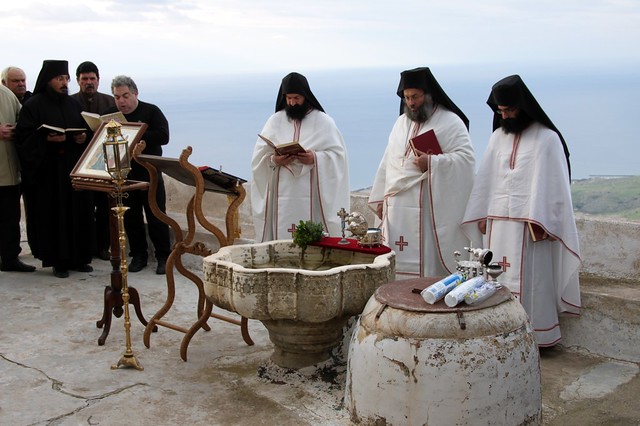
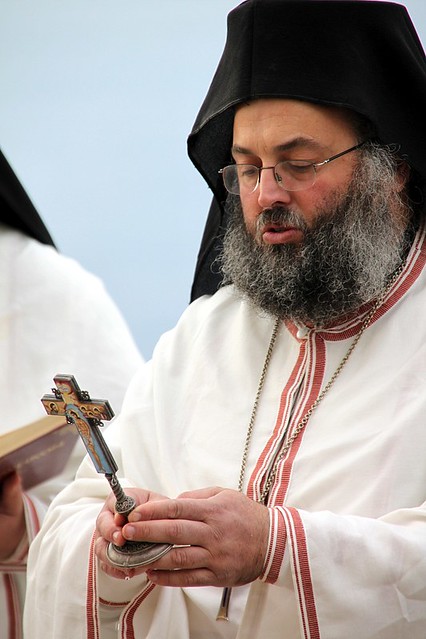
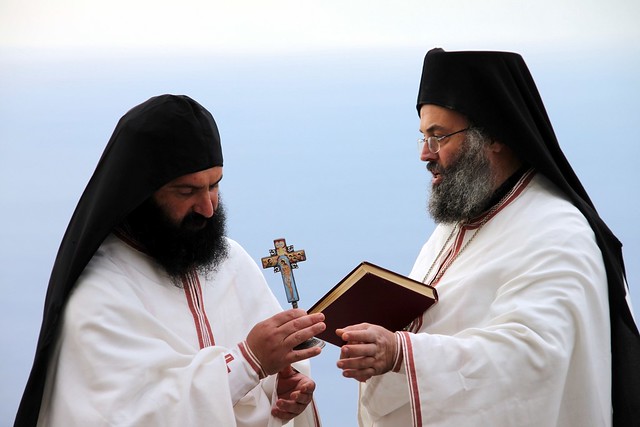
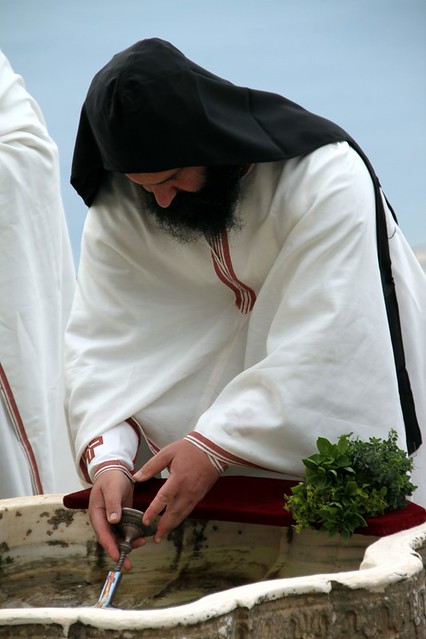
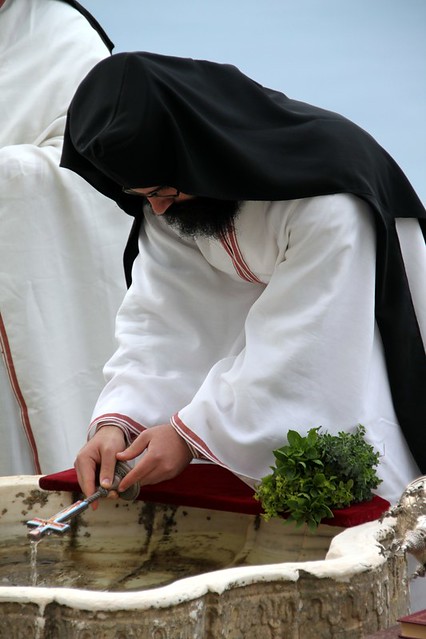
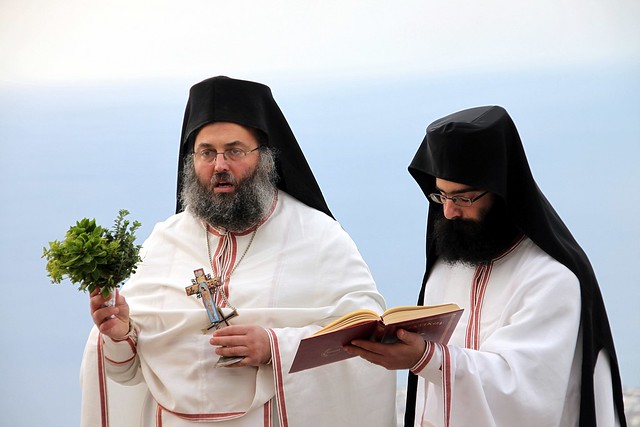
Η γιορτή των Θεοφανείων στην Ιερά Μονή του Προφήτη Ηλία στην Σαντορίνη...


Epiphany

Epiphany

Epiphany

Epiphany
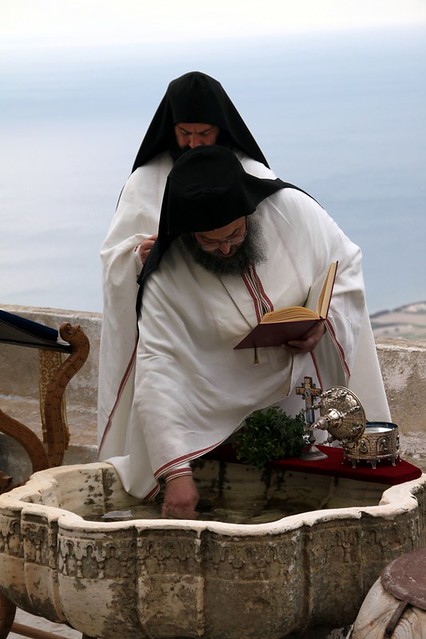
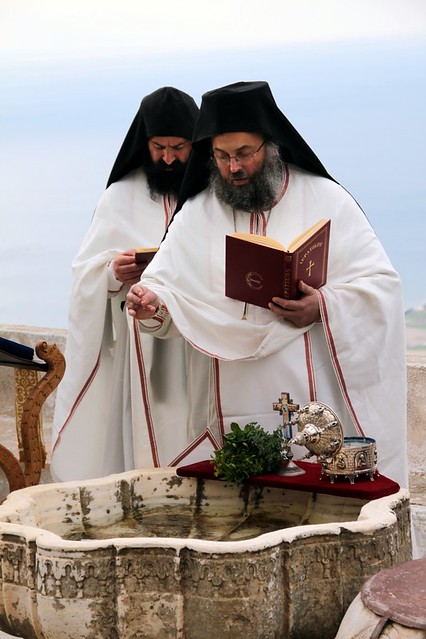
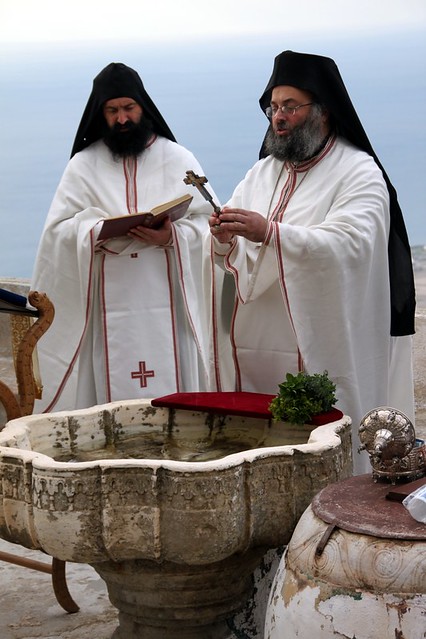
Ο Καθηγούμενος της Ιεράς Μονής Προφήτου Ηλιού Θήρας, Πανοσιολογιότατος αρχιμανδρίτης π. Δαμασκηνός, ευλογεί τα ύδατα...


Epiphany

Epiphany

Epiphany

Epiphany

Ο καθαγιασμός των υδάτων έγινε στο βαπτιστήριον, στο προαύλιο χώρο της Μονής...


[ENG] On 6th of January, the Greek Orthodox Church celebrates the Feast of the Epiphany. On this feast we commemorate the baptism of Jesus in the Jordan River, seen as His manifestation to the world as the Son of God. It is also called Theophany and, most commonly among Greek people, "Fota" (Lights - enlightenment). It is one of the Great Feasts of the Orthodox liturgical year. Today in Eastern Orthodox churches, the emphasis at this feast is on the shining forth and revelation of Jesus Christ as the Messiah and Second Person of the Trinity at the time of his baptism. It is also celebrated because, according to tradition, the baptism of Jesus in the Jordan River by St. John the Baptist marked one of only two occasions when all three Persons of the Trinity manifested themselves simultaneously to humanity: God the Father by speaking through the clouds, God the Son being baptized in the river, and God the Holy Spirit in the shape of a dove descending from heaven (the other occasion was the Transfiguration on Mount Tabor). Thus the holy day is considered to be a Trinitarian feast. The Orthodox Churches perform, also, the Great Blessing of Waters on Theophany. [Source: Wikipedia] Photos: The Blessing of the Waters in the Holy Orthodox Monastery of Prophet Elias in Santorini on 06.01.2011.


Creative Commons License

Sunday, January 02, 2011

Αγριοκρεμμύδα | Urginea maritima


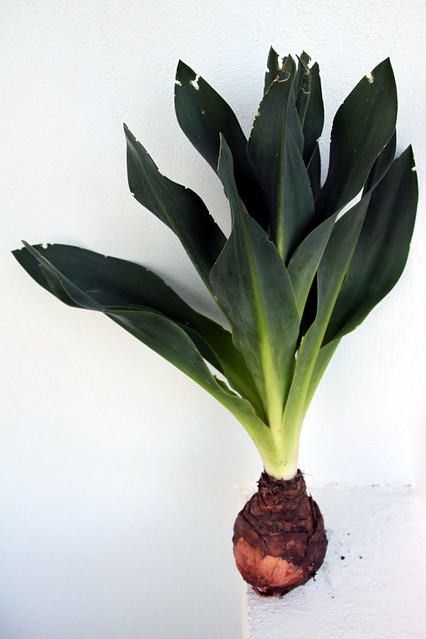
Urginea Maritima

Οι αρχαίοι Έλληνες πίστευαν ότι η αγριοκρεμμύδα τους προστάτευε από κάθε κακό, από καταστροφές, αρρώστιες ή βασκανίες. Η "Χρυσοβασιλίτσα", όπως αλλιώς τη λένε, ακόμα και ξεχασμένη σε κάποια γωνιά του σπιτιού, βγάζει φύλλα τέτοια εποχή, και ξαναρχίζει τον κύκλο της ζωής της. Ο λαός πίστευε ότι αυτή τη μεγάλη ζωτική της δύναμη μπορεί να τη μεταδώσει σε έμψυχα και άψυχα [Πηγή].

Το στέλεχός της το χρησιμοποιούσαν ως μέσο μαντικής για τον προσδιορισμό της καλής χρονιάς. Λένε ότι όταν είναι μεγάλη η ανθοφορία του, η χρονιά θα είναι καλή. Αν όμως τα άνθη του είναι λειψά η χρονιά δεν θα 'ναι καθόλου καλή [Πηγή].


Η Αγριοκρεμμύδα

Ήταν κάποτε μια γριά γυναίκα, η οποία στη ζωή της δεν είχε κάνει κανένα καλό. Όταν πέθανε, ο άγγελός της την πήγε στο θρόνο του Θεού, μα στο βιβλίο των πράξεών της δεν υπήρχε καμία καλοσύνη κι έτσι ο δρόμος της ήταν για την κόλαση. Ο άγγελός της στενοχωρήθηκε αφάνταστα. Αναζήτησε στις πιο κρυφές σημειώσεις του βιβλίου του καθενός, μήπως και βρει κάποια καλή πράξη και αναγκάσει το Θεό που είναι γεμάτος αγάπη να την πάρει στον Παράδεισο.


Ψάχνοντας, λοιπόν, βρήκε ότι κάποτε όταν η γρια σκάλιζε τον κήπο της, ήρθε ένας ζητιάνος που της ζήτησε ελεημοσύνη. Η γριά δεν ήθελε να δώσει τίποτα, αλλά ο ζητιάνος ήταν πολύ επίμονος. Τότε, αφού νευρίασε, η γριά τράβηξε μια αγριοκρεμμύδα και την πέταξε στο ζητιάνο, για να απαλλαγεί από την παρουσία του. Ο άγγελος χάρηκε και είπε στο Θεό το συμβάν. Τότε Αυτός του είπε: "Πάρε μια αγριοκρεμμύδα κι αν μπορέσει η γρια να κρατηθεί απ' αυτήν και βγει από την κόλαση, ας τη φέρεις στον Παράδεισο".


Ο άγγελος χάρηκε αφάνταστα, πήρε μια αγριοκρεμμύδα και κατηφόρισε στην κόλαση. Ρώτησε πού βρίσκεται η γρια και της είπε τα ευχάριστα. Η γρια καταχάρηκε και αρπάχτηκε από την αγριοκρεμμύδα που κρατούσε ο Άγγελος και άρχισε να βγαίνει από την κόλαση. Τότε συνέβη το εξής παράδοξο. Από τα πόδια της γριάς άρχισαν να κρεμιόνται κι άλλοι κολασμένοι για να ξεφύγουν από τον τόπο της βασάνου. Όμως η γριά άρχισε να τους σπρώχνει φωνάζοντας: "Δικιά μου είναι η αγριοκρεμμύδα, δεν έχετε θέση μαζί μου!". Ο άγγελος την παρακαλούσε να δείξει αγάπη, αλλά η γριά ήταν αμετάπειστη. Κλωτσούσε τις άλλες ψυχές και φώναζε! Τότε η αγριοκρεμμύδα έσπασε και η γρια και όλες οι άλλες ψυχές ξαναγύρισαν στην κόλαση.


Ο άγγελος δάκρυσε και έφυγε...

Από το βιβλίο "Братья Карамазовы" (Μπράτια Καραμαζόβι - "Αδελφοί Καραμαζώφ") του Фёдор Михайлович Достоевский (Φιοντόρ Μιχαΐλοβιτς Ντοστογιέφσκι) [Πηγή].


[ENG] Urginea maritima is a bulb which sends up a tall stalk topped by an inflorescence of small white flowers, followed by a rosette of large dull green leaves, that last until the following summer. The bulb can get quite large, reaching over five pounds in weight [Wikipedia]: In Greece it is called agriokremmida, which means "wild onion", and people hang it in their houses during the new year as a fertility rite. Wild onion bulb, even if forgotten at some corner of the house, this period of the time makes leaves and its life cycle starts again. This made ancient people believe that it has extreme life power and it can transmit it to humans. Moreover it was even used for seeing the future: If its stalk was tall with many flowers then that meant that the new year would be good. Wild onion - A story from "The Brothers Karamazov" by Fyodor Dostoyevsky: "Once upon a time there was a peasant woman and a very wicked woman she was. And she died and did not leave a single good deed behind. The devils caught her and plunged her into the lake of fire. So her guardian angel stood and wondered what good deed of hers he could remember to tell to God; ‘She once pulled up an onion in her garden,’ said he, ‘and gave it to a beggar woman.’ And God answered: ‘You take that onion then, hold it out to her in the lake, and let her take hold and be pulled out. And if you can pull her out of the lake, let her come to Paradise, but if the onion breaks, then the woman must stay where she is.’ The angel ran to the woman and held out the onion to her. ‘Come,’ said he, ‘catch hold and I'll pull you out.’ And he began cautiously pulling her out. He had just pulled her right out, when the other sinners in the lake, seeing how she was being drawn out, began catching hold of her so as to be pulled out with her. But she was a very wicked woman and she began kicking them. ‘I'm to be pulled out, not you. It's my onion, not yours.’ As soon as she said that, the onion broke. And the woman fell into the lake and she is burning there to this day. So the angel wept and went away" [Source].


Creative Commons License

Friday, December 31, 2010

Το ρόδι | Pomegranate

Pomegranate
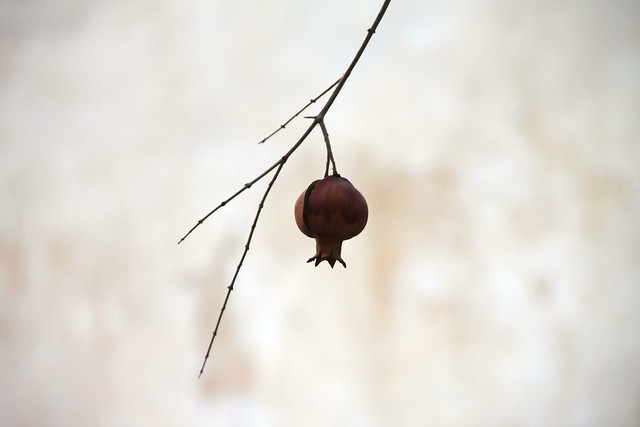
Η παράδοση στην Ελλάδα θέλει να σπάμε ένα ρόδι στην είσοδο του σπιτιού με τον ερχομό της νέας χρονιάς... Η παράδοση έχει τις ρίζες της στα αρχαία χρόνια... Το ρόδι, έχοντας έναν τόσο μεγάλο αριθμό από σπόρους στο εσωτερικό του, εξέφραζε την γονιμότητα και την ευμάρεια... Αν σκεφτούμε ότι η πρωτοχρονιά, κατά τους αρχαίους χρόνους, εορταζόταν στις αρχές της άνοιξης, καταλαβαίνουμε το πόση σημασία είχε ο συμβολισμός της γονιμότητας...

Σημείωση: Στην φωτογραφία αγριοροδιά στο παλιό μονοπάτι από το Εμπορειό της Σαντορίνης προς τον Πύργο Καλλίστης...


[ENG] Pomegranate: It is a tradition in Greece to break a pomegranate on the doorstep on New Years. The pomegranate, with so many seeds inside, was symbolizing the fertility and, subsequently, the wealth... Having in mind that, in ancient times, the celebrations of the new year were taking place early in spring, we can understand how important was the symbolism of fertility.


Creative Commons License

Tuesday, December 28, 2010

Χαλαροβούνια | Chalarovounia


Chalarovounia

Chalarovounia

Chalarovounia

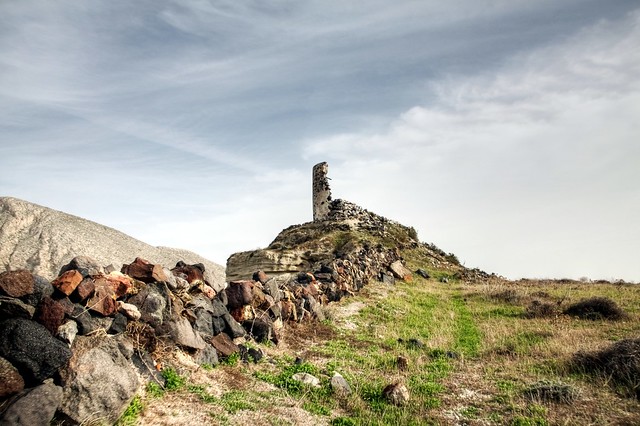
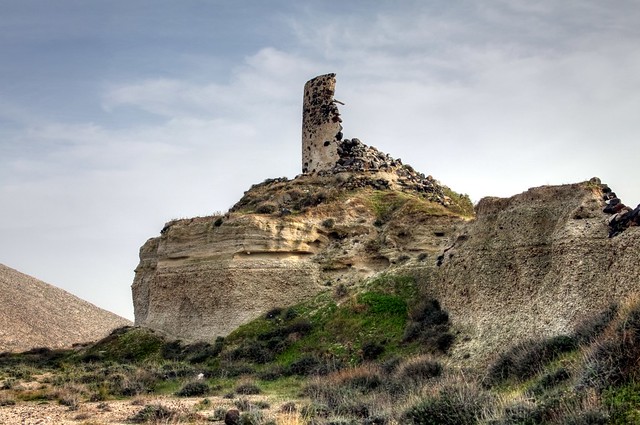
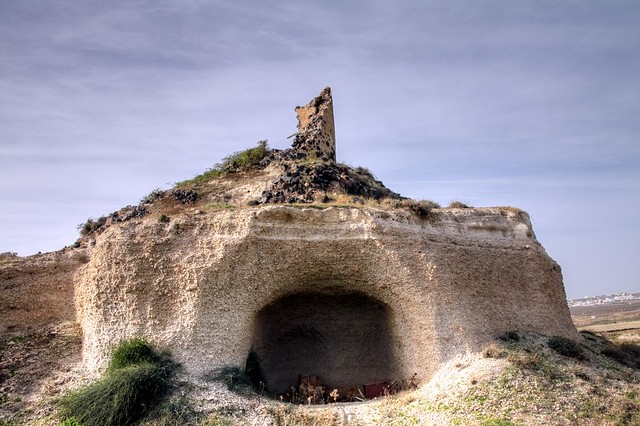
Πηγαίνοντας από το Μεγαλοχώρι στο Εμπορειό της Σαντορίνης μπορεί να δει κανείς, στα βόρεια, σε ένα λόφο πάνω, τα ερείπια ενός ανεμόμυλου... Η περιοχή στην οποία βρίσκεται ονομάζεται "Χαλαροβούνια". Στα νότια του ανεμόμυλου έχουν βρεθεί ίχνη προϊστορικού οικισμού, όπως κατάλοιπα τοίχων και θραύσματα αγγείων της Υστεροκυκλαδικής Ι περιόδου (17ος αιώνας π.Χ.).


[ENG] While going from village Megalochori of Santorini to village Emporio, one can see on the top of a hill, at the north of Emporio, the ruins of an old windmill. The area of the hill is named "Chalarovounia". At the south of the windmill, traces of a prehistorical settlement have been found, like remains of walls and pieces of pottery of the Late Cycladic I period (17th B.C.).


Creative Commons License

Saturday, December 25, 2010

Καλά Χριστούγεννα! | Merry Christmas! | Весела Коледа!

Nativity Scene

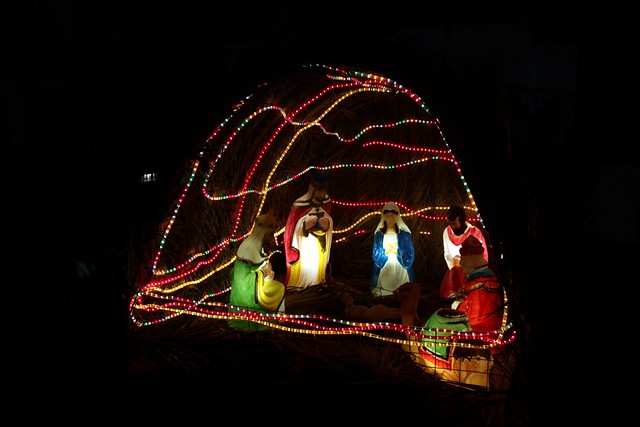
Καλά Χριστούγεννα! Весела Коледа! Wesołych Świąt!
Crăciun fericit! Merry Christmas! Frohe Weihnachten! Joyeux Noël! Veselé Vánoce! Linksmų Kalėdų! Marjinal!
С Рождеством Христовым! Buon Natale! Feliz Navidad!


Friday, December 24, 2010

Η εκκλησία της Γεννήσεως | The church of the Nativity


The church of the Nativity

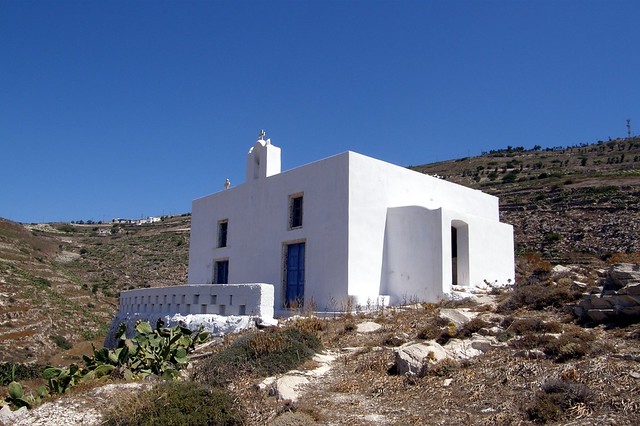
Ο Ναΐσκος της Γεννήσεως στον Πύργο της Σαντορίνης είναι ένα μικρό, λιτό εκκλησάκι, όπως ήταν και η Φάτνη του Κυρίου...

The church of the Nativity

Από την θέση που βρίσκεται μπορεί κανείς να θαυμάσει το Νοτιοανατολικό τμήμα της Σαντορίνης...


[ENG] The church of the Nativity is a small, austere church, as the Nativity crib was... It is located in Pyrgos, on the cliffs of the Mount of Prophet Elias, with view over the Northern-east part of Santorini....


Creative Commons License

Thursday, December 23, 2010

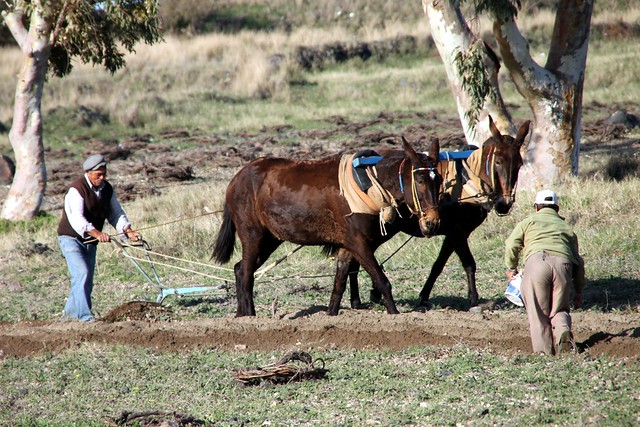
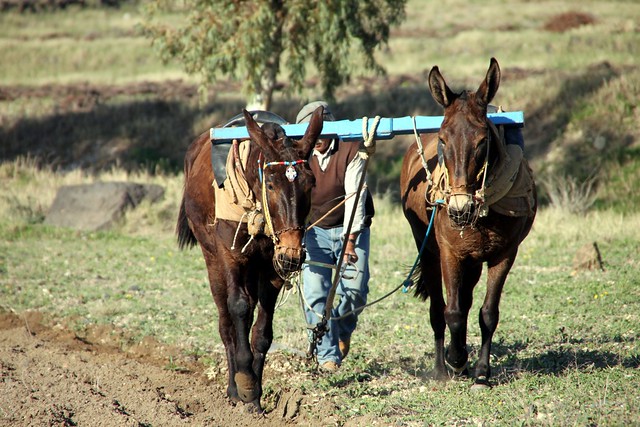
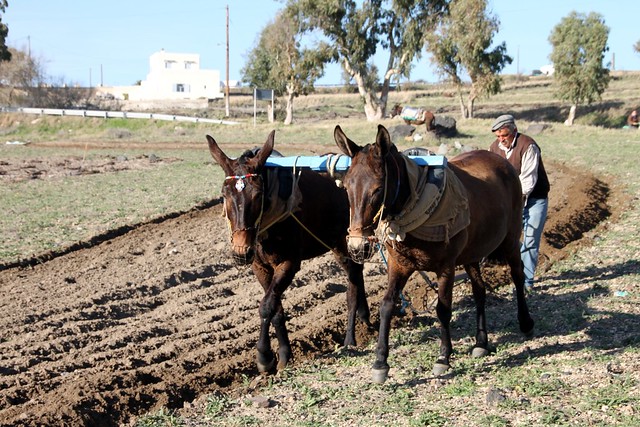
Το Όργωμα και η Σπορά της Φάβας | Plowing and Seeding of Fava


Ploughing

Ploughing

Ploughing

Ploughing

Ploughing

Seeding Fava

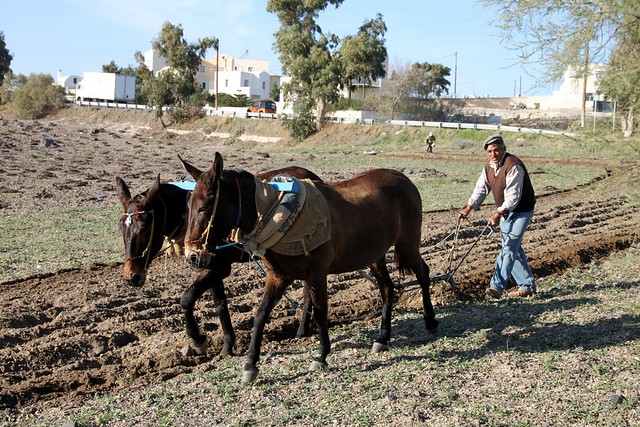
Το όργωμα και η σπορά της φάβας γίνεται στην Σαντορίνη ξεκίναγε παραδοσιακά στις 21 Δεκεμβρίου... Οι φωτογραφίες είναι από το Μεγαλοχώρι.


[ENG] The plowing and the seeding of fava in Santorini was starting traditionally on December, 21 ... The photos are from village Megalochori.


Creative Commons License

Tuesday, December 21, 2010

Από τα 39 στα 40 είναι μόλις ένας χρόνος... | From 39 to 40...


Καλές και κακές στιγμές... Πράγματα που είδα... Μέρη που επισκέφτηκα.... Κάποιοι από τους ανθρώπους που γνώρισα... Κάποιοι φίλοι... Από τα 39 στα 40: ένας ακόμα χρόνος...


[ENG] Good and bad moments... Things I saw... Places I visited... Some of the people I met... Some of my friends.... From 39 to 40: one year more...


Creative Commons License

Monday, December 20, 2010

Η Σαντορίνη τον χειμώνα... | Santorini in the winter...

Winter in Santorini
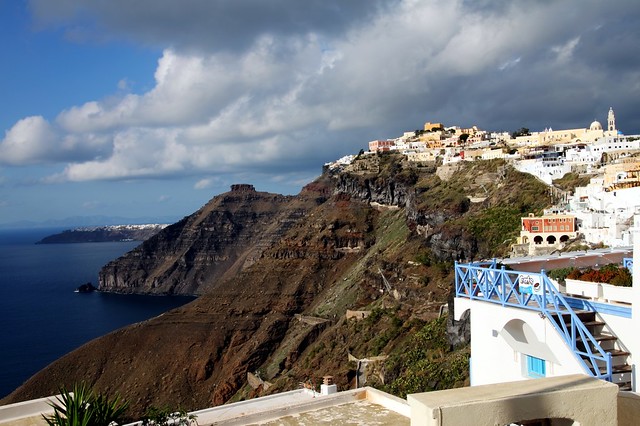
Φηρά


Winter in Santorini
Πινακίδα, πάνω στο δρόμο για τον Προφήτη Ηλία, με θέα στο Ακρωτήρι...


Winter in Santorini
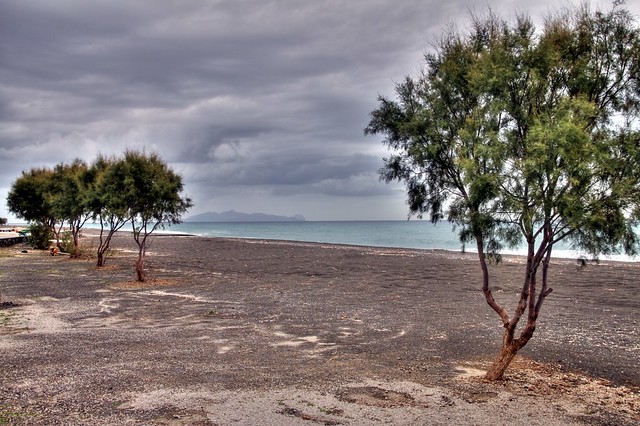
Η παραλία του Αγίου Γεωργίου άδεια από τουρίστες...


Winter in Santorini
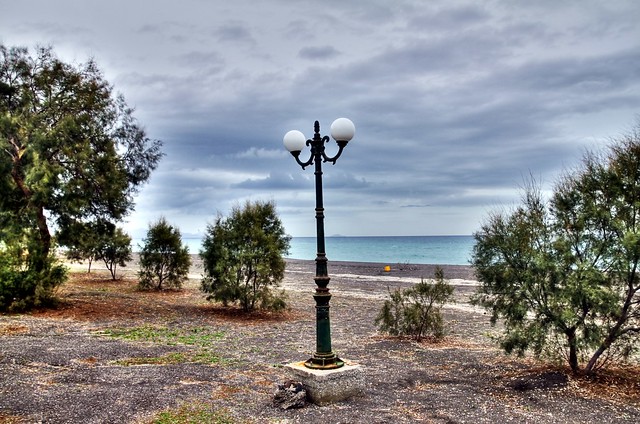
Μοναχικός φανοστάτης...


[ENG] Winter in Santorini... Photos: [1] Fira, [2] Sign on the road to Prophet Elias, with a view to Akrotiri, [3] Agios Georgios beach empty from tourists, [4] Lonely lamp post...


Creative Commons License

Sunday, December 19, 2010

Σαντορίνη 2010 | Santorini 2010


Σαντορίνη 2010: Επισκόπηση...


[ENG] Santorini 2010: All year long...


Creative Commons License