Showing posts with label Poland. Show all posts

Sunday, April 03, 2011

Να ήξερες πόσο μου αρέσει η Κυριακή! | Żeby wyście wiedzieli, jak ja rada niedzieli!


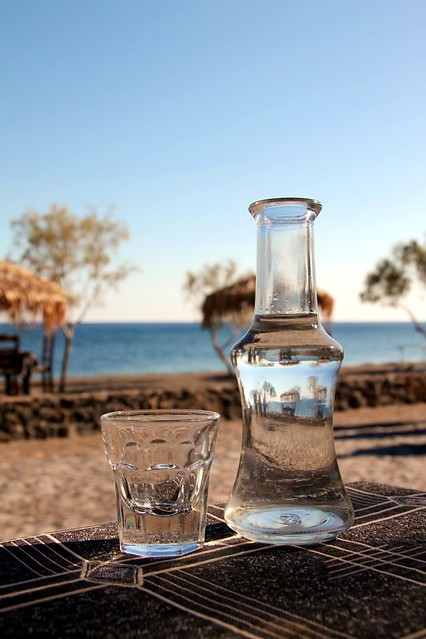
Holly tsipouro...


Άκουσα χθες αυτό το δημοτικό τραγούδι από την Πολωνία σε ένα CD που είχα αγοράσει όταν ήμουν εκεί, και το συνδύασα με μία Κυριακάτικη εικόνα από την Ελλάδα. Το τραγούδι λέγεται "Żeby wyście wiedzieli, jak ja rada niedzieli" (Να 'ξερες πόσο μ' αρέσει η Κυριακή) και τραγουδάει η Katarzyna Gattner.


[ENG] I heard yesterday this folk song from Poland in a CD that I bought while I was working there, and I associated it with a Sunday image from Greece. The title of the song means in Polish "If you knew how I love Sunday", and the singer is Katarzyna Gattner.


Creative Commons License

Thursday, February 18, 2010

Ο Φλεβάρης κι αν φλεβίσει... | Even if February will be cold...


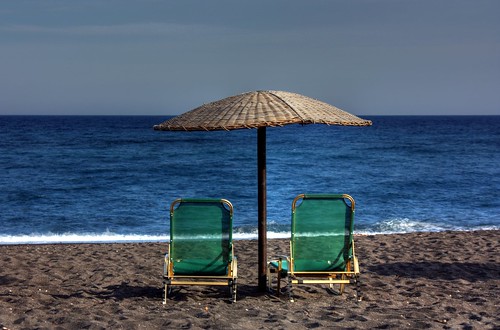
By the Seaside
"Ο Φλεβάρης κι αν φλεβίσει, καλοκαίρι θα μυρίσει", λέμε στην Ελλάδα... Έπρεπε, όμως, να ζήσω λίγο στην Πολωνία για να καταλάβω ότι το ρητό αυτό ισχύει αυστηρά για τον Ευρωπαϊκό νότο... Εκτός εάν μπορούμε να δεχτούμε σαν μυρωδιά καλοκαιριού το γεγονός ότι ανέβηκε η θερμοκρασία στο -2 από -15 που ήταν τον προηγούμενο μήνα...

Σημείωση: Η φωτογραφία είναι από τον Περίβολο της Σαντορίνης...


[ENG] We say in Greece that, "Even if February will be extremely cold, it will smell summer"... I had to live a little bit in Poland to realise that this phrase is true only in the European South... Except if we consider smell of summer the fact that temperature is now -2 from -15 the previous month...


Creative Commons License

Friday, February 12, 2010

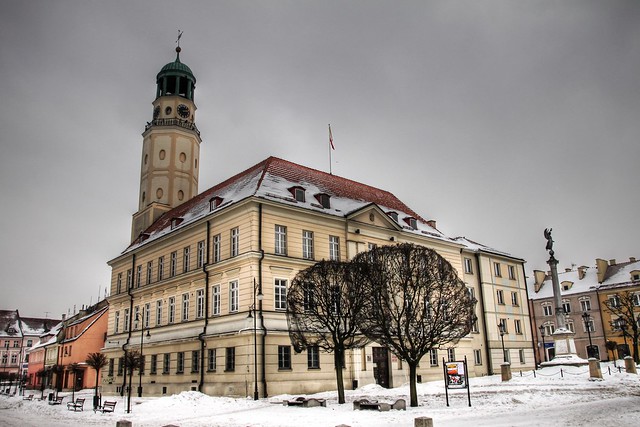
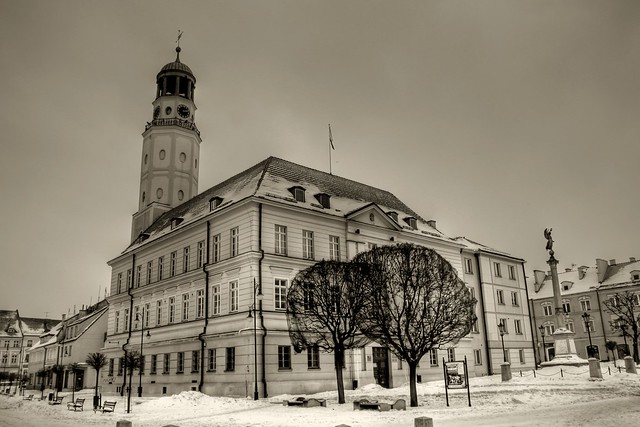
Το δημαρχείο της Ολεσνίτσα | Oleśnicki Ratusz


Oleśnicki Ratusz
Oleśnicki Ratusz
Oleśnicki Ratusz
Η ύπαρξη της Oleśnica (Ολεσνίτσα), ως οικισμός δίπλα σε ισχυρό κάστρο είναι γνωστή από το 1189. Κατά τον 13ο αιώνα κατελήφθη από τους Γερμανούς... Στις 22 Φεβρουαρίου του 1255 ονομάστηκε "πόλη" από τον Πολωνό δούκα Henryk III Biały (Χένρι Γ' Μπιάλι - Ερρίκος Γ' ο λευκός). Αργότερα πέρασε διαδοχικά από τα χέρια των Βοημών, Γερμανών, Πρώσσων, και το 1871 ενώθηκε, μαζί με όλη την Πρωσσία, με την Γερμανική Αυτοκρατορία. Το 1945, μετά τον Δεύτερο Παγκόσμιο Πόλεμο, ενώθηκε με την Πολωνία. Ο Γερμανικός πληθυσμός εκδιώχθηκε και στην περιοχή ήρθαν πρόσφυγες από την ανατολική Πολωνία που πέρασε στα χέρια της Σοβιετικής Ενώσεως...

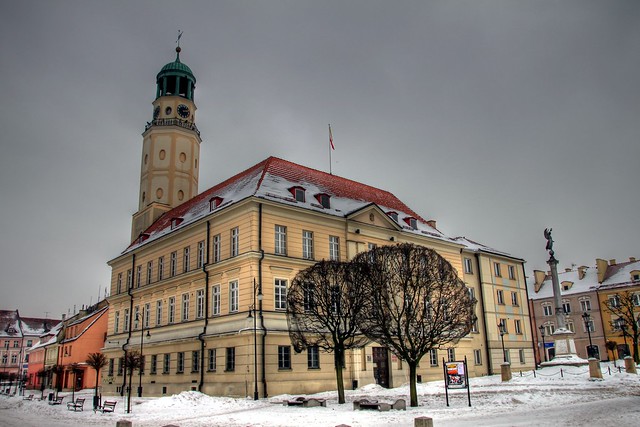
Σημείωση: Δεν μπορούσα να διαλέξω μία από αυτές τις τρεις φωτογραφίες, οπότε τις έβαλα όλες...

Σύνδεσμος σε χάρτη / Link to Map: 51° 12' 34''N, 17° 22' 47''E

[ENG] The presence of a settlement near a ducal castle in the area of Olesnica, it is known from 1189. In the 13th century, the area was settled by Germans. On 22.02.1255, the village received city rights from the Polish Duke Henryk III the White. After that it passed in the hands of the Bohemians, the Germans, the Prussians and, in 1871, became part of the German Empire during the Prussian-led unification of Germany. It was heavily damaged by the Red Army in 1945 during World War II, having approximately 60-80% of its buildings destroyed. The city became Polish after the Potsdam Conference and was renamed to Oleśnica. The remaining German-speaking population was subsequently expelled and resettled with Poles many of whom were expelled from Eastern Poland annexed in 1945 by the Soviet Union [Source: Wikipedia]
[POL] Oleśnicki Ratusz


Creative Commons License

Thursday, February 11, 2010

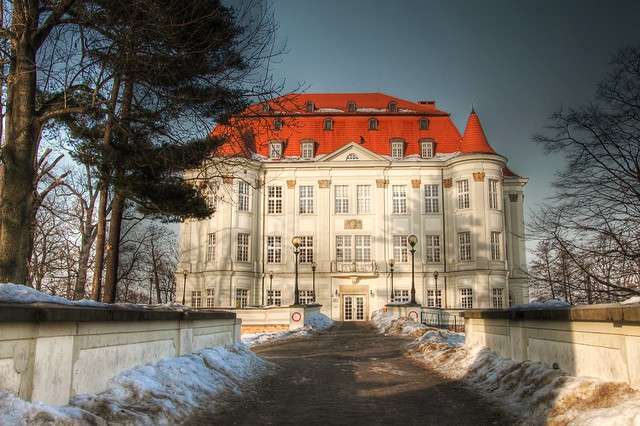
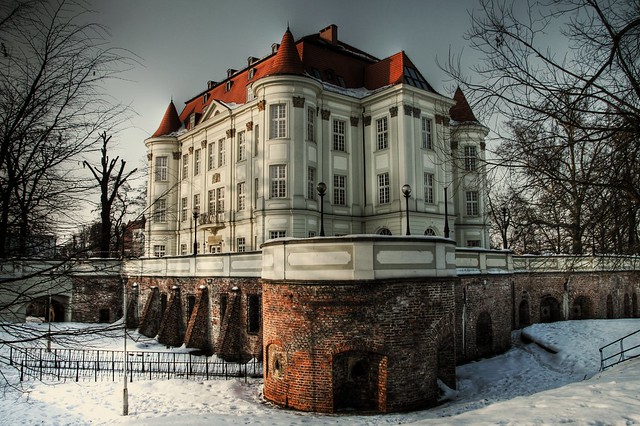
Το κάστρο του Βρότσουαβ | Centrum Kultury Zamek


Centrum Kultury 'Zamek'
Το κάστρο του Wrocław (Βρότσουαβ) βρίσκεται στην περιοχή Leśnica (Λεσνίτσα) της πόλης. Αρχικά ήταν η κατοικία του Bolesław I Wysoki (Μπόλεσλαβ Α' Βισοκι - "Μπόλεσλαβ ο Ψηλός"), Δούκα του Wrocław (1163-1201), όπου και πέθανε στις 7 ή 8 Δεκεμβρίου του 1201. Από την εποχή του Μπόλεσλαβ υπέστη διάφορες τροποποιήσεις, από τους κατά καιρούς ιδιοκτήτες του, με πιο σημαντικές αυτές της οικογένειας των Banckes, τον 15ο αιώνα, του Hans Horning, τον 17ο αιώνα και των Ιωαννιτών Ιπποτών τον 18ο αιώνα. Η εσωτερική διακόσμηση, σε στυλ ροκοκό, από το 1752, δεν υπάρχει πια.

Centrum Kultury 'Zamek'
Σήμερα το κάστρο είναι πολιτιστικό κέντρο της πόλης. Η επίσημη ιστοσελίδα του εδώ.

Σύνδεσμος σε χάρτη / Link to Map: 51° 8' 47''N, 16° 52' 14''E


[ENG] The Castle of Wroclaw is located in the area of Lesnica of the city. Initially, was the residence of the Boleslaw I the "tall", Duke of Wroclaw (1163-1201), where he died on 7 or 8 December 1201. From the time of Boleslaw, several modification were done to the castle. The most important of them were the ones of Banckes family, in the 15th century, Hans Horning's, in 17th Century, and of the Knight Hospitallers of the Red Star, in the 18th century. The - rococo style - interior from 1752 does not exist any more. Today, the castle is a Cultural centre of Wroclaw.
[POL] Centrum Kultury "Zamek", Wrocław


Creative Commons License

Sunday, February 07, 2010

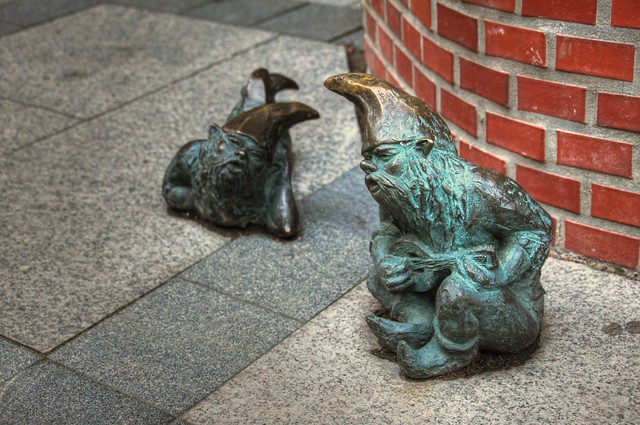
Ο οργανοπαίκτης και ο μουσικόφιλος νάνος | Grajek i Meloman


Grajek i Meloman
Ο Grajek (Γράιεκ), ο οργανοπαίκτης νάνος, και ο Meloman (Μέλομαν), ο μουσικόφιλος νάνος, είναι δύο από τους νάνους - σύμβολα της Πολωνικής πόλης Wrocław (Βρότσουαβ). Βρίσκονται στην ulica Oławska (Ουλίτσα Οουάβσκα - Οδός της Ολάβα), πολύ κοντά στην Rynek (Ρίνεκ - η παλιά αγορά) της πόλης.

Ο θρύλος λέει ότι οι δύο τους τσακώνονταν συνέχεια, καθώς ο ένας κατηγορούσε τον άλλο ότι δεν έχει ιδέα από μουσική... Τελικά έγιναν φίλοι και μαζί τραγουδάνε μερικά από τα πιο γνωστά χίτ των νάνων...

Σύνδεσμος σε χάρτη / Link to Map: 51° 6' 31''N, 17° 2' 06''E


[ENG] Grajek (the instrument player dwarf) and Meloman (the music lover dwarf) are two of the dwarfs - symbols of the Polish city Wroclaw. They are located on Oławska street. The legend says that at the beginning they were fighting all the time and the one was saying for the other that he does not know anything about music... Finally, they became friends and now they sing together some of the most well-known dwarf hits...
[POL] Grajek i Meloman, ulica Oławska, Wrocław...


Creative Commons License

Saturday, February 06, 2010

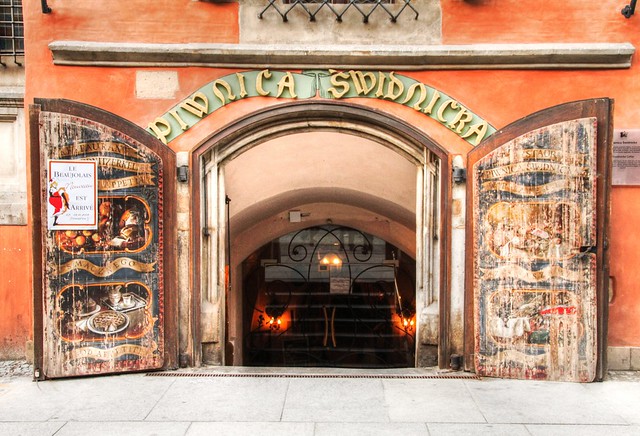
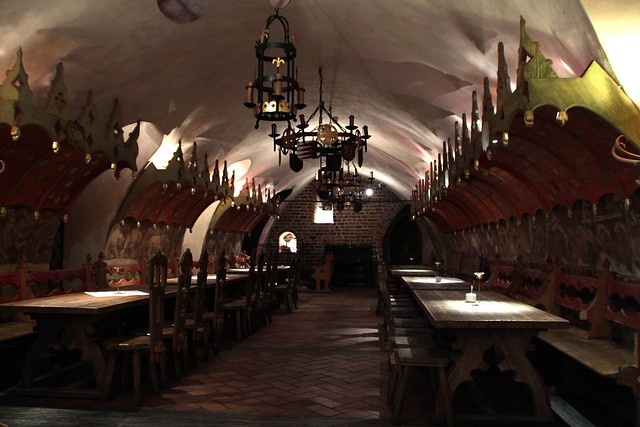
Το κελάρι της Σβιντνίτσκα | Piwnica Świdnicka


Piwnica Świdnicka
Η Piwnica Świdnicka (Πιβνίτσα Σβιντνίτσκα), το κελλάρι της Świdnica (Σβιντνίτσα), είναι ένα από τα παλαιότερα καπηλειά της Ευρώπης... Βρίσκεται στο υπόγειο του Ratusz (Ρατούς), του παλαιού δημαρχείου της Πολωνικής πόλης Wrocław (Βρότσουαβ).

Piwnica Świdnicka
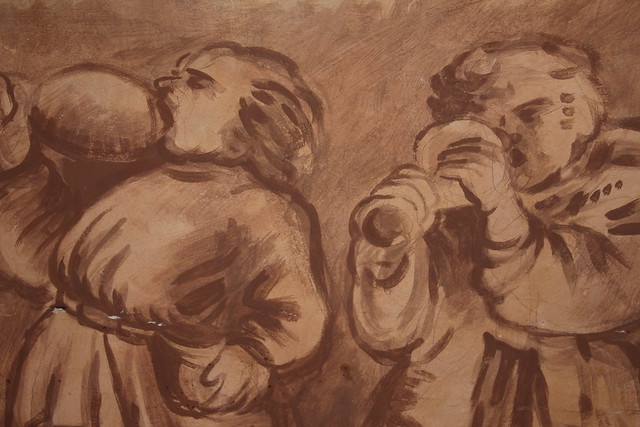
Υπάρχουν γραπτά στοιχεία που ανάγουν την ύπαρξη του τουλάχιστον από το 1332. Το όνομα του προέρχεται από την Πολωνική πόλη Świdnica, η οποία τότε ήταν γνωστή για την παραγωγή μπύρας. Ένας νόμος, όμως, της πόλης του Βρότσουαβ απαγόρευε την πώληση μπύρας από άλλη πόλη εκτός από τον χώρο στο ισόγειο του δημαρχείου...
Piwnica Świdnicka
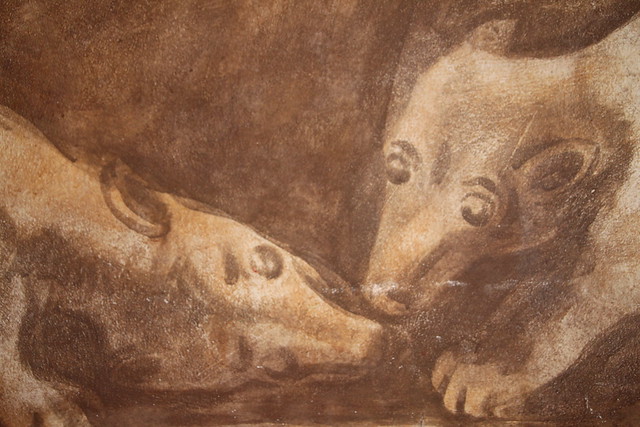
Το κελάρι επεκτάθηκε αρκετές φορές μέχρι τον 15ο αιώνα. Εκτεταμένες εργασίες ανακαίνισης έγιναν το 1904. Το 1936 δούλευαν εκεί 110 άτομα ανάμεσα στα οποία 8 σεφ και 45 σερβιτόροι. Το κελάρι γλύτωσε από τους βομβαρδισμούς του 1945, αλλά ο εξοπλισμός του λεηλατήθηκε... Για 15 χρόνια μετά παρέμεινε κλειστό. Το 1960 κάποιοι από τους χώρους του χρησιμοποιήθηκαν για να στεγάσουν μια λέσχη νέων. Στο τέλος του 20ου αιώνα έγιναν εκτεταμένες εργασίες ανακαίνισης για να επανέλθει στην αρχική του χρήση. Υπέστη πολλές ζημιές από την "πλημμύρα της χιλιετίας" που έγινε το 1997 αλλά επισκευάστηκαν.
Piwnica Świdnicka
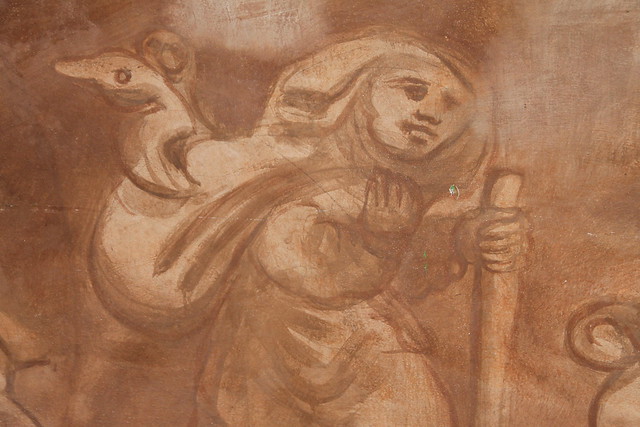
Στον ίδιο χώρο έχουν φάει ο Σοπέν και ο Γκαίτε...
Piwnica Świdnicka

Συμβουλή: Δοκιμάστε την ψητή πάπια σερβιρισμένη με σάλτσα από βατόμουρα...
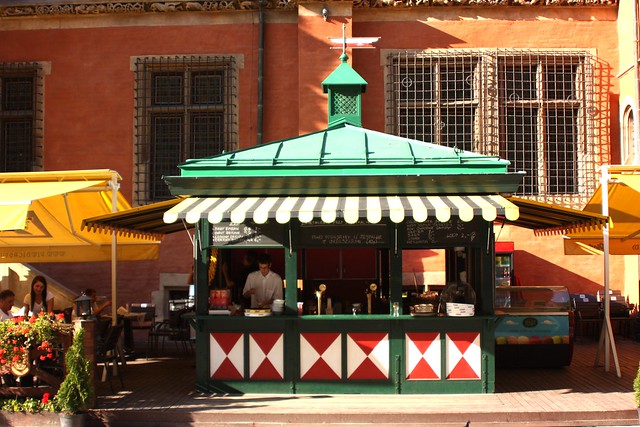
Piwnica Świdnicka
Το καλοκαιράκι, μπορείτε να απολαύσετε το φαγητό σας στα τραπεζάκια πάνω στην πλατεία της Rynek (Ρίνεκ - η παλαιά αγορά)

Σύνδεσμος σε χάρτη / Link to Map: 51° 6' 34''N, 17° 1' 55''E


[ENG] "Piwnica Świdnicka" (The cellar of Świdnica) is one of the oldest taverns in Europe. It is located at the basement of the old town hall of the Polish city Wrocław. Its name derives from the name of the Polish city Swidnica, which, in the old times, was known for the production of beer. In accordance with the law in force at that time, beer brewed outside Wrocław was allowed to be administered only under the control of the city council town hall basement. Reference of its existence goes back to 1332. The cellar was expanded several times until the 15th century, when it reached approximately its final shape. Cellar underwent major repairs in 1904. It was spared by the bombings of 1945, but its equipment were looted. For 15 years it remained closed. From 1960, a youth club was using part of the cellar. At the end of the 20th century it was restored to its original function. It suffered extensive damages during the "Flood of the Milenium" that took place in 1997 but it was restored again. In this restaurant you can eat your roasted duck with sauce from raspberry in the same place where Frederic Chopin and Johann Goethe had done the same.
[POL] Restauracja "Piwnica Świdnicka", Ratusz we Wrocławiu, Wrocław.


Creative Commons License

Sunday, January 31, 2010

Εκσκαφέας | Mecalac 14 MXT


Wrobis
Εκσκαφέας Mecalac 14 MXT της Πολωνικής κατασκευαστικής εταιρείας "Wrobis" στο εργοτάξιο του νέου γηπέδου της πόλης Wrocław (Βρότσουαβ), το οποίο κατασκευάζεται για το Euro 2012.

Σύνδεσμος σε χάρτη / Link to Map: 51° 8' 34''N, 16° 56' 43''E


[ENG] Excavator Mecalac 14 MXT of the Polish construction company "Wrobis" in the construction site of the new football stadium of the city of Wroclaw, which is constructed to host games for the Euro 2012.


Creative Commons License

Tuesday, January 12, 2010

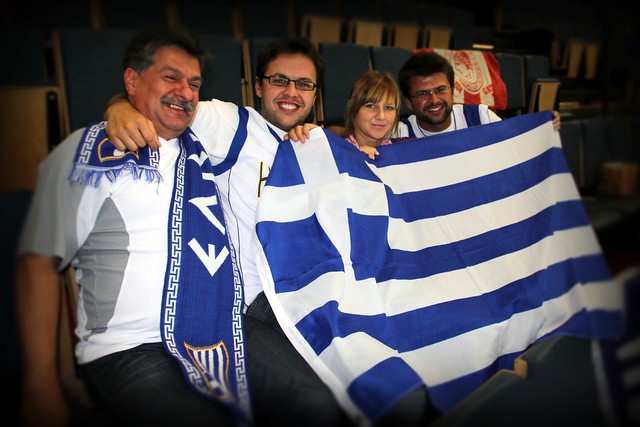
Μην παριστάνεις τον Έλληνα! | Nie udawaj Greka!


Nie udawaj Greka!
Έχω πλέον καταλήξει ότι οι Κινέζοι των ξένων είναι οι Έλληνες... "Μου φαίνονται Κινέζικα", λέμε εμείς, "It sounds Greek to me", λένε οι Αμερικάνοι...

Εμείς λέμε "Μήν κάνεις τον Κινέζο!", αλλά οι Πολωνοί λένε "Nie udawaj Greka!" (Νιε ουνταβάι Γκρέκα), δηλαδή "Μην παριστάνεις τον Έλληνα!". Από που προέρχεται αυτό; Κατά μία θεωρία από τον Σωκράτη... Αν θυμάστε, ο Σωκράτης παρίστανε ότι δεν ήξερε τίποτα και προσπαθούσε να βγάλει από τον συνομιλητή του την αλήθεια, δια της "μαιευτικής μεθόδου", δηλαδή μέσω ερωτήσεων...


Στην φωτογραφία είναι (από τα αριστερά προς τα δεξιά) ο κύριος Georgios Wlachojorgos, ο Dimitrios Wlachojorgos, η Urszula και ο άντρας της Thomas Wlachojorgos από την Πολωνία... Ο πατέρας του κυρίου Γιώργου ήταν από τους εκτοπισμένους του εμφυλίου... Όλοι γεννήθηκαν και μεγάλωσαν στην Πολωνία... Η άγαπη τους, όμως, για την Ελλάδα είναι κάτα παραπάνω από δεδομένη... Σήμερα έχουν τόσο την Πολωνική όσο και την Ελληνική υπηκοότητα... Η φωτογραφία τραβήχτηκε κατά το ημίχρονο του αγώνα της Εθνικής μας ομάδας μπάσκετ με την Τουρκική στο πλαίσιο του Ευρωμπάσκετ 2009 στην Πολωνία...


[ENG] In Greece we say "It looks Chinese to me", when something seems difficult to understand... The same time, the Americans and the English say "It sounds Greek to me"! In Greece we, also, say "Do not pretend that you are a Chinese!", when somebody pretends to be ignorant of something... But the Poles say "Nie udawaj Greka!", which means "Do not pretend that you are a Greek!". What is the origin of this phrase? One theory says that this is because of Socrates, the Greek philosopher... If you remember, Socrates was claiming that he knew nothing and he was trying to pull out the truth from his companion, by asking questions... In the photo one can see (from left to right) Mr. Georgios Wlachojorgos, Dimitrios Wlachojorgos, Urszula and her husband, Thomas Wlachojorgos from Poland... Mr. George's father was displaced from Greece after the Greek civil war, which followed the end of World War II... All of them were born and grown up in Poland... Their love, however, for Greece is very big... Today they all have both the Polish and the Greek citizenship... The photo was taken during the half time of the basketball game between Greece and Turkey for the EuroBasket 2009 in Poland...
[POL] Nie udawaj Greka!


Creative Commons License

Sunday, January 10, 2010

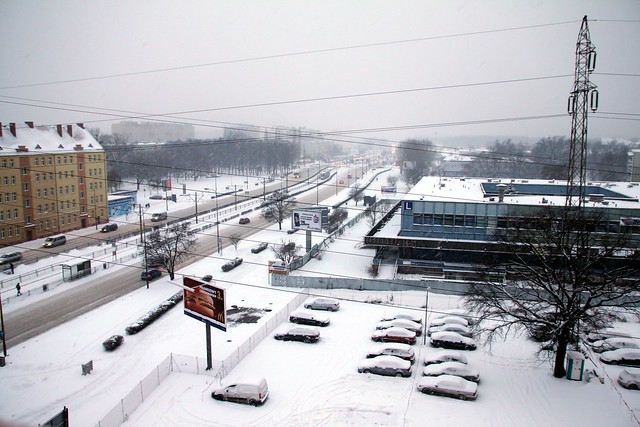
Όσο πάει έχει και περισσότερο χιόνι... | More and More snow...


Snow in Wroclaw
Όσο πάει, έχει και περισσότερο χιόνι...


[ENG] Snow in the Polish city Wroclaw...


Creative Commons License

Wednesday, December 30, 2009

Ο καταράκτης του Καμιέντσικ... | Wodospad Kamieńczyka...


Ο Wodospad Kamieńczyka (βοντοσπάντ Καμιεντσίκα), ο καταράκτης του ποταμού Kamieńczyk (Καμιέντσικ) βρίσκεται πολύ κοντά στην Szklarska Poręba Górna (Σκλάρσκα Πορένμπα Γκούρνα), στην Κάτω Σιλεσία της Πολωνίας.


[ENG] Wodospad Kamienczyka, the waterfalls of the river Kamienczyk are located very close to Szklarska Poreba Gorna, at Lower Silesia of Poland...
[POL] Wodospad Kamieńczyka, Szklarska Poręba Górna...


Creative Commons License

Tuesday, December 29, 2009

Wrocław - Szklarska Poręba Górna


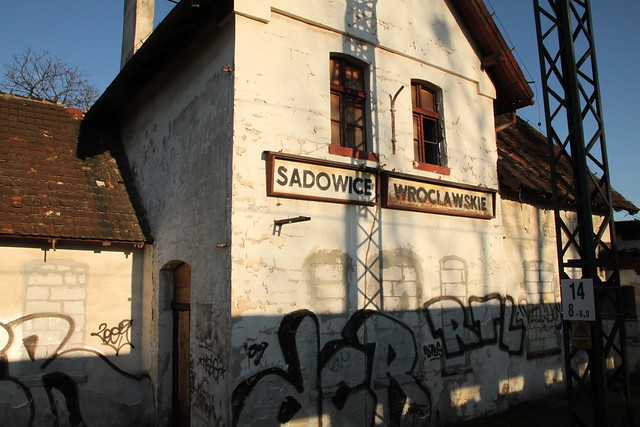
Sadowice Wrocławskie
Ο σταθμός του Sadowice... Κτίριο του 1842...


Travelling by train
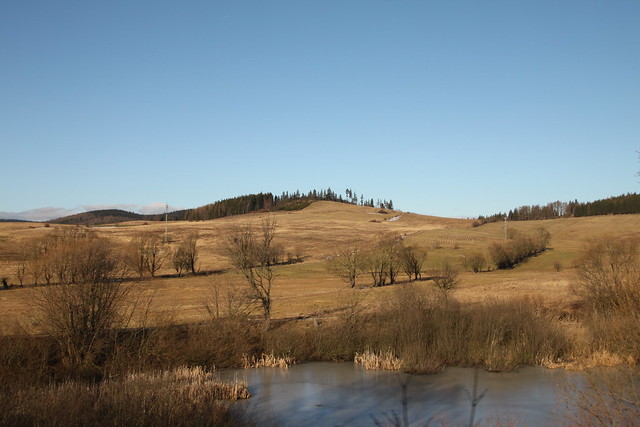
Μια χειμωνιάτικη ηλιόλουστη μέρα...


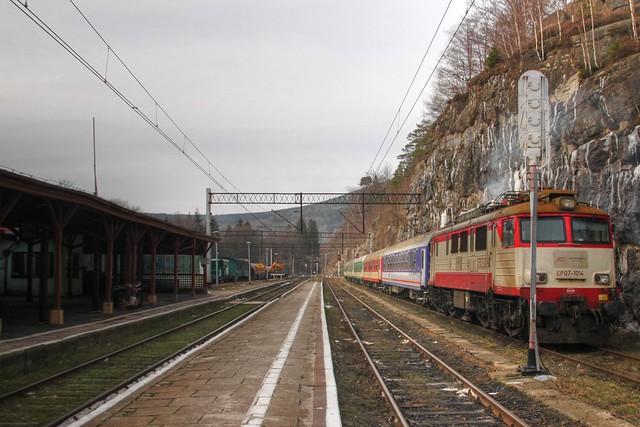
Szklarska Poręba Górna
Ο σταθμός της Szklarska Poręba Górna (Σκλάρσκα Πορένμπα Γκούρνα).


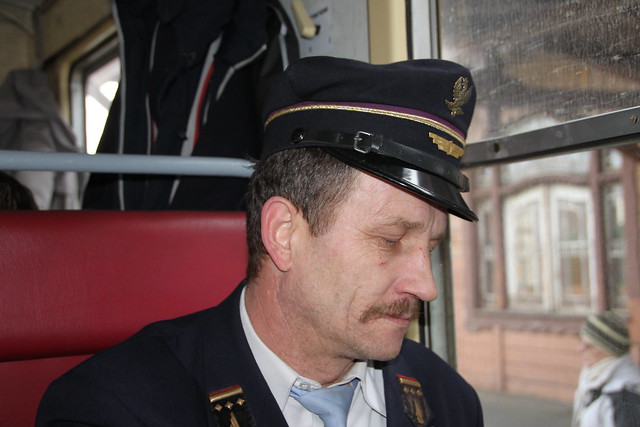
Jan Uciechowski
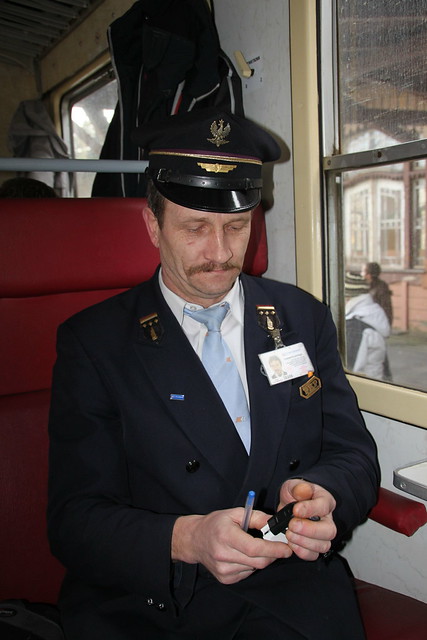
O Jan Uciechowski (Γιάν Ουτσιεχόβσκι), Kierownik pociągu (Κιερόβνικ ποτσιάνγκου - "Επικεφαλής του τρένου"), ένας πολύ φιλικός άνθρωπος... Μόλις έμαθε ότι είμαι Έλληνας φωτογραφήθηκε μαζί μου και ζήτησε από όλους του Πολωνούς συνεπιβάτες μας να μας προσεχούν γιατί είμαστε φιλοξενούμενοι τους...


Jan Uciechowski
Αργότερα έμαθα ότι αυτός και ο αδελφός του είναι γνωστοί μαραθωνοδρόμοι... Δείτε την ιστοσελίδα τους εδώ...


The Bike car
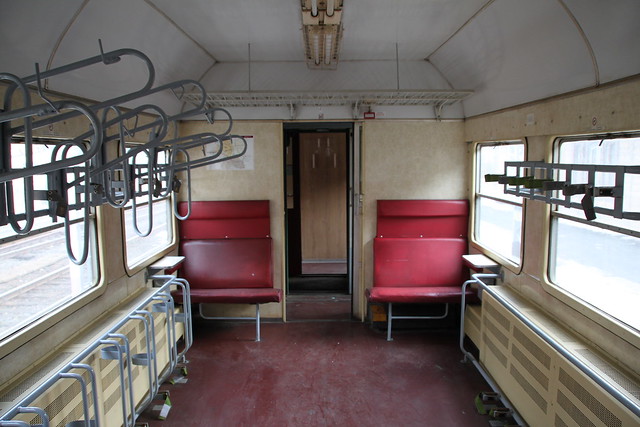
Βαγόνι για τα ποδήλατα και τον εξοπλισμό του σκι...


Markos
Ο Μάρκος κοιτάζει το κινητό του...


Oxana
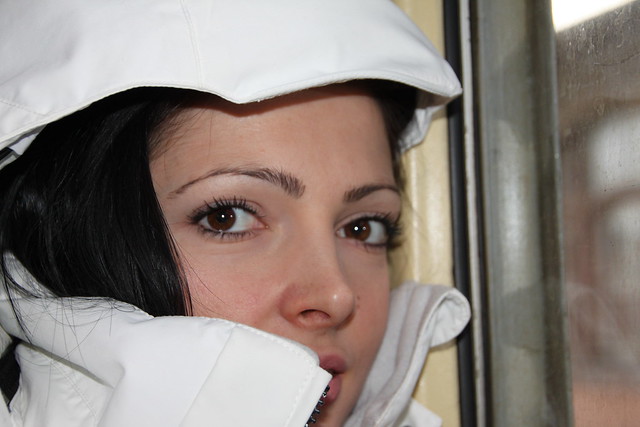
Η γυναίκα μου, Αξάνα...


Looking behind
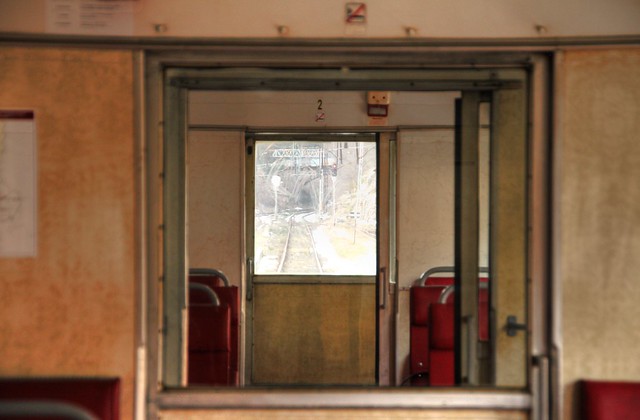
Κοιτώντας πίσω...


Markos and Stefania
Σύγχρονη τεχνολογία ή αλλιώς "πως μίκρυνε ο κόσμος έτσι!!": Ο Μάρκος και η Στεφανία από το τρένο στην Πολωνία κάνουν video-chatting με τον αδελφό του Μάρκου, Λάζαρο, ο οποίος έκανε σκι στο Μπάνσκο της Βουλγαρίας...

Σύνδεσμος σε χάρτη / Link to Map: 51° 3' 22''N, 16° 49' 30''E
Σύνδεσμος σε χάρτη / Link to Map: 50° 49' 57''N, 15° 31' 08''E


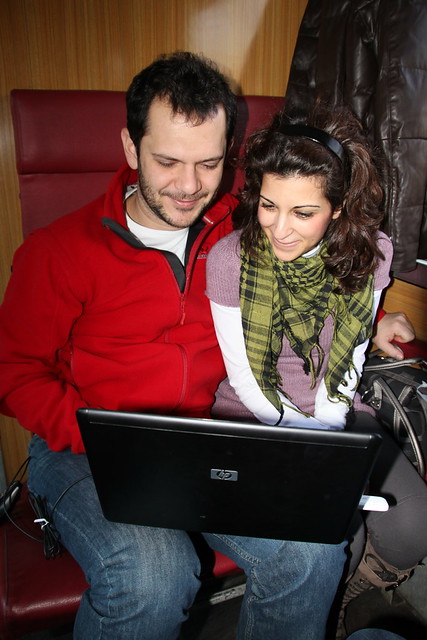
[ENG] From Wroclaw to Szklarska Poreba Gorna and back... Photos: [1.] The station of Sadowice, built in 1842, [2.] A sunny winter day, [3.] At the Station of Szklarska Poręba Górna, [4.][5.] The "head of the train", Jan Uciechowski, a very friendly guy. When he learned that I am from Greece, he asked to make a photo together and he said to our Polish fellow-passengers to take care of us since we were their guests. Later I discovered that his brother and him are well known marathon runners. One can see their site here, [6.] The bike car, a wagon for bicycles and ski equipment, [7.] My friend, Markos, checks at his mobile phone, [8.] My wife, Oxana, [9.] Looking back, [10.] Markos and Stefania while traveling by train inside Poland are doing Video-chatting with Markos' brother, Lazaros, who was skiing at Bansko, Bulgaria...


Creative Commons License

Monday, December 28, 2009

Γιατί να ταξιδεύεις με τρένο... | Why one should travel by train...


Ο πιο σημαντικός λόγος να ταξιδεύεις με τρένο και όχι με αυτοκίνητο...

Σημείωση: Το βίντεο είναι από τρένο των Πολωνικών γραμμών PKP από την Jelenia Góra (Γελένια Γκούρα) προς το Wrocław (Βρότσουαβ)...


[ENG] The best reason to travel by train and not by car... Video from a train of the Polish company PKP on the trip from Jelenia Gora to Wroclaw.


Creative Commons License